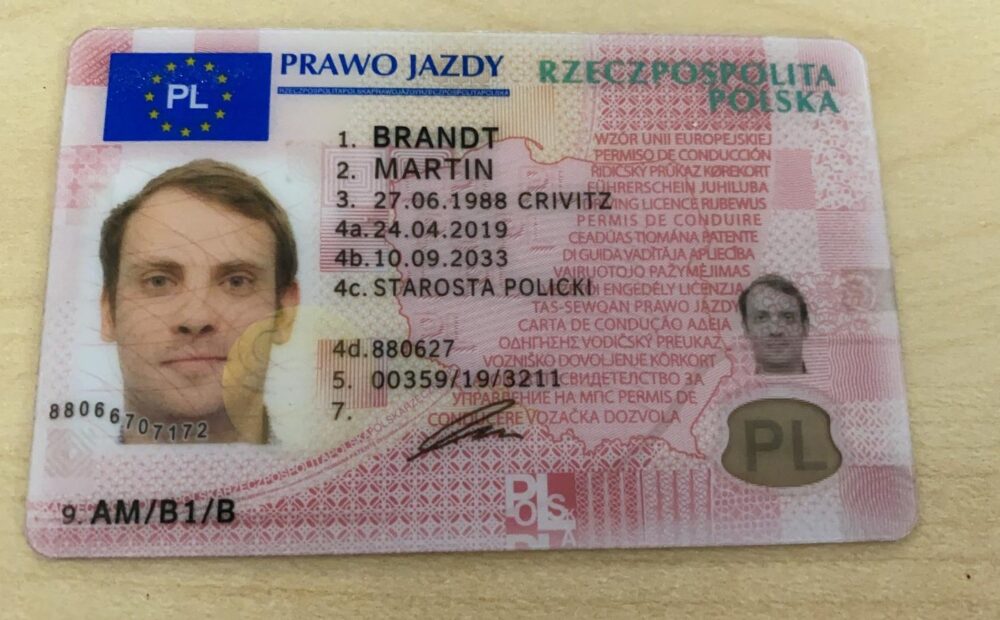
Understanding the Driving License Exam Category B: A Comprehensive Guide
Driving is an ability that uses a sense of flexibility and benefit, making it a desirable ability for numerous. In the majority of nations, obtaining a driver's license includes passing a series of tests to make sure that individuals are competent and safe on the roadway. One of the most common classifications of driving licenses is Category B, which permits holders to drive different kinds of automobiles. This post dives into the information of the Category B driving license test, providing an extensive guide for those looking to obtain this vital file.
What is Category B?
Category B, often described as the "automobile and little van" category, is a kind of driving license that permits the holder to drive automobiles up to 3,500 kilograms (kg) in weight, including little vans and pickup. This classification is particularly important for individuals who require to drive for personal or professional reasons, as it covers most of lorries utilized in daily life.
The Application Process
Eligibility Requirements
- Age: Applicants need to be at least 17 years old to request a provisional license and 17 years and 6 months old to take the practical test.
- Residency: Applicants need to be residents of the country where they are using for the license.
- Health: Applicants must fulfill the minimum health and vision standards set by the licensing authority.
Provisional License
- Before taking the practical test, applicants must first get a provisional driving license. This can be done online, by post, or face to face at a designated office.
- The provisional license allows the candidate to practice driving with a qualified instructor or a certified motorist who is at least 21 years of ages and has actually held a complete driving license for a minimum of three years.
Theory Test
- The theory test is a vital step in the process. It includes two parts: a multiple-choice area and a risk understanding test.
- Multiple-Choice Section: This part tests the applicant's understanding of the Highway Code, roadway indications, and safe driving practices. The test consists of 50 questions, and candidates need to score a minimum of 43 out of 50 to pass.
- Threat Perception Test: This area evaluates the applicant's ability to recognize and react to possible hazards on the roadway. Driving in Poland Streets consists of 14 video, and applicants must score at least 44 out of 75 to pass.
Dry run
- When the theory test is passed, the applicant can book a practical driving test. The practical test is created to evaluate the candidate's ability to drive safely and competently on different kinds of roadways.
- Driving Skills: The test consists of a series of maneuvers such as reversing around a corner, parallel parking, and an emergency stop.
- Independent Driving: The candidate will likewise be required to drive separately, following directions from a sat nav or traffic signs.
- General Driving: The inspector will assess the candidate's overall driving abilities, including their capability to follow the guidelines of the road, handle speed, and handle the car securely.
Getting ready for the Exam
Practice Driving
- Routine practice is important to build confidence and enhance driving skills. Candidates ought to practice in a variety of conditions, including various weather condition and traffic scenarios.
- Think about taking lessons from a professional driving instructor to guarantee a structured and detailed learning experience.
Research Study the Highway Code
- A comprehensive understanding of the Highway Code is essential for passing both the theory and useful tests. Acquaint yourself with road signs, traffic rules, and safe driving practices.
Take Mock Tests
- There are many online resources and apps offered that deal mock theory tests. These can help you identify locations where you need to improve and develop your confidence.
Stay Calm and Focused
- On the day of the useful test, it is very important to remain calm and focused. Take deep breaths, listen carefully to the examiner's instructions, and drive as you have actually practiced.
FAQs
Q: What is the minimum age to request a Category B driving license?
- A: The minimum age to request a provisional license is 17 years of ages, and the minimum age to take the practical test is 17 years and 6 months old.
Q: Can I drive a motorcycle with a Category B license?
- A: No, a Category B license does not cover motorcycles. You would require a separate motorcycle license (Category A) to drive a bike.
Q: How long does the theory test take?
- A: The theory test normally takes about 57 minutes in overall. The multiple-choice area takes 57 minutes, and the risk understanding test takes about 20 minutes.
Q: What takes place if I stop working the dry run?
- A: If you stop working the practical test, you can retake it after a particular duration, which differs by country. It's a good idea to take extra lessons to attend to any locations where you struggled before retaking the test.
Q: Can I drive a small van with a Category B license?
- A: Yes, a Category B license permits you to drive small vans and pickup approximately 3,500 kg in weight.
Acquiring a Category B driving license is a significant achievement that opens a world of chances. By comprehending the application procedure, preparing thoroughly, and remaining calm and focused, you can increase your chances of success. Whether you're driving for individual or professional reasons, a Category B license is a valuable possession that improves your self-reliance and movement. So, take the primary step today and start your journey towards ending up being a licensed motorist.
Additional Resources
- Highway Code: [Link to main Highway Code]
- Driving Test Booking: [Link to official test booking site]
- Driving Schools: [List of advised driving schools in your location]
By following this guide, you'll be well-prepared to browse the process of obtaining your Category B driving license and take pleasure in the benefits of safe and competent driving.